
Coffee Drink
Cafecito Recipe: Brew A Traditional Cuban Coffee Shot
Learn to whip sugar and espresso into a perfect Cuban cafecito with its sweet espuma, plus serving tips and the cultural background.
On This Page8 Sections
What Is Cafecito?
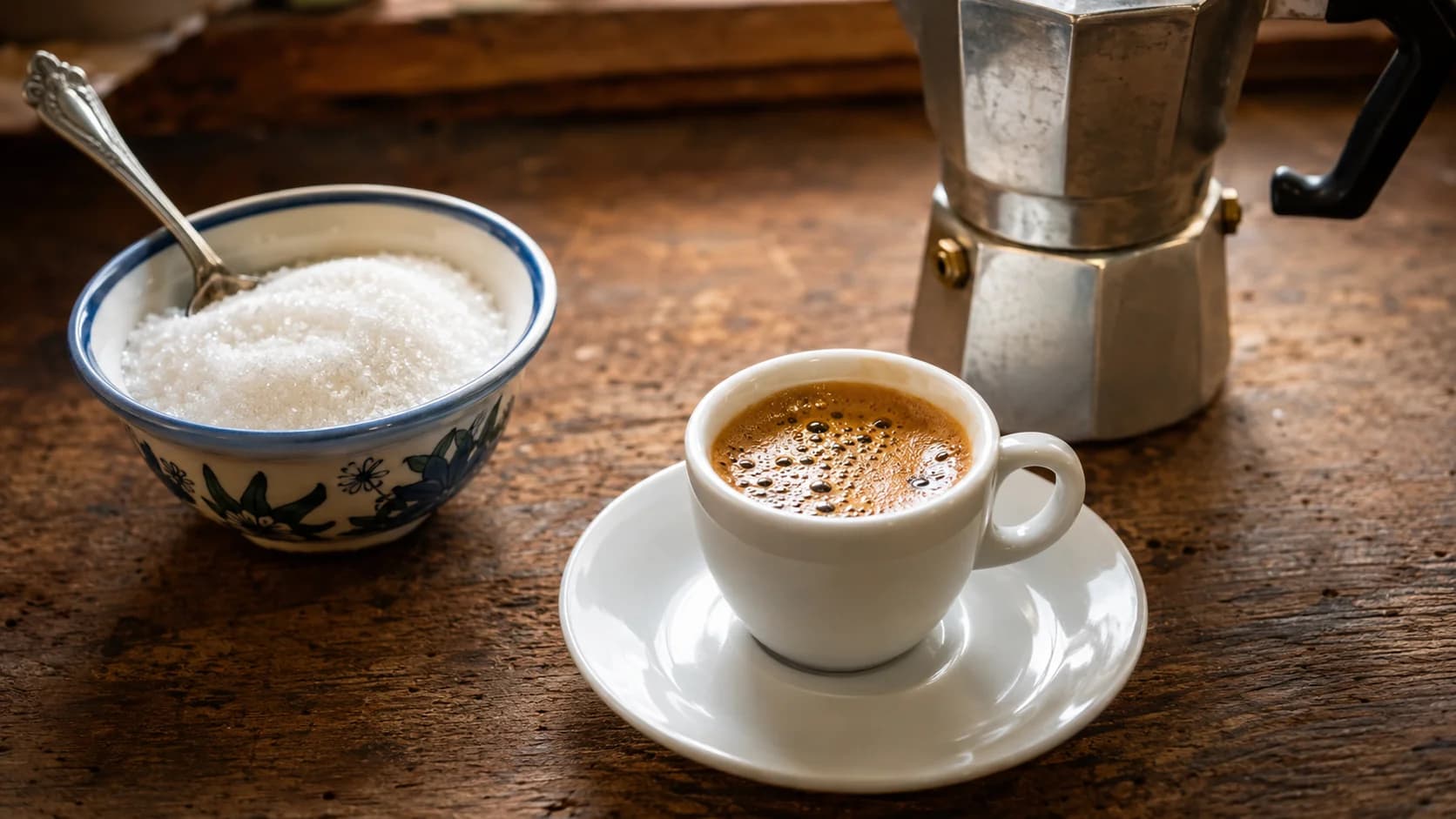
Cafecito is the everyday name for Café Cubano, a small, strong Cuban espresso sweetened by whipping sugar with the first drops of the shot into a foamy espuma. Bold and intensely sweet, it is served in tiny cups and shared socially throughout the day.
Key Takeaways
- 1Cafecito is the everyday name for Café Cubano, a small, strong Cuban espresso sweetened by whipping sugar with the first drops of the shot into a foamy espuma.
- 2**Ingredients (per serving)** - 1 shot (30 ml) strong espresso brewed in a moka pot - 1–2 tsp granulated sugar
- 3The practical detail to notice: SHARED RITUAL: cafecito = café cubano; the colada (a large serving poured into thimble cups for the office/street) is the cultural unit.
Drink Snapshot
- Drink
- Cafecito
- Category
- Regional and traditional coffee drinks
- Page role
- Alias / Redirect
- Page type
- Alias guide or redirect
Flavor And Tasting Notes
Cafecito is the everyday name for Café Cubano, a small, strong Cuban espresso sweetened by whipping sugar with the first drops of the shot into a foamy espuma. Bold and intensely sweet, it is served in tiny cups and shared socially throughout the day.
• Bold, concentrated espresso with rich caramel sweetness from whipped sugar. • Dense crema-like espumita on top gives a silky mouthfeel. • Flavor is intense with dark chocolate and molasses notes; small size packs a punch.
Preparation And Recipe
Ingredients (per serving)
- 1 shot (30 ml) strong espresso brewed in a moka pot
- 1–2 tsp granulated sugar
Method
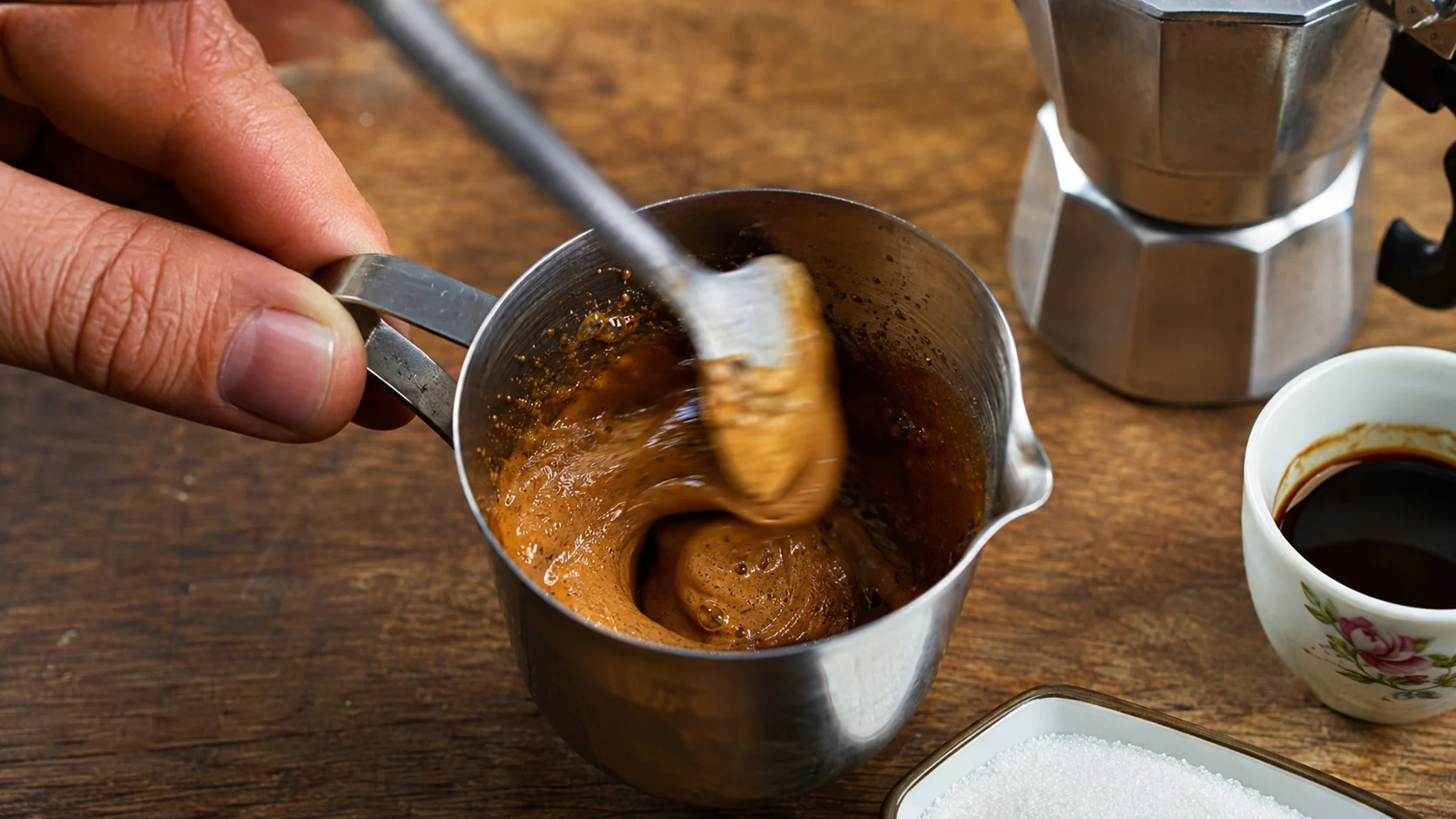
- Brew espresso using finely ground dark-roast coffee. As soon as the first few drops emerge, pour them over the sugar in a small metal cup.
- Beat the sugar and espresso vigorously for 1–2 minutes until a creamy, pale espumita forms.
- Add the rest of the brewed espresso to the whipped sugar and stir gently.
- Pour into a demitasse and serve immediately. Sip slowly or knock back the entire shot.
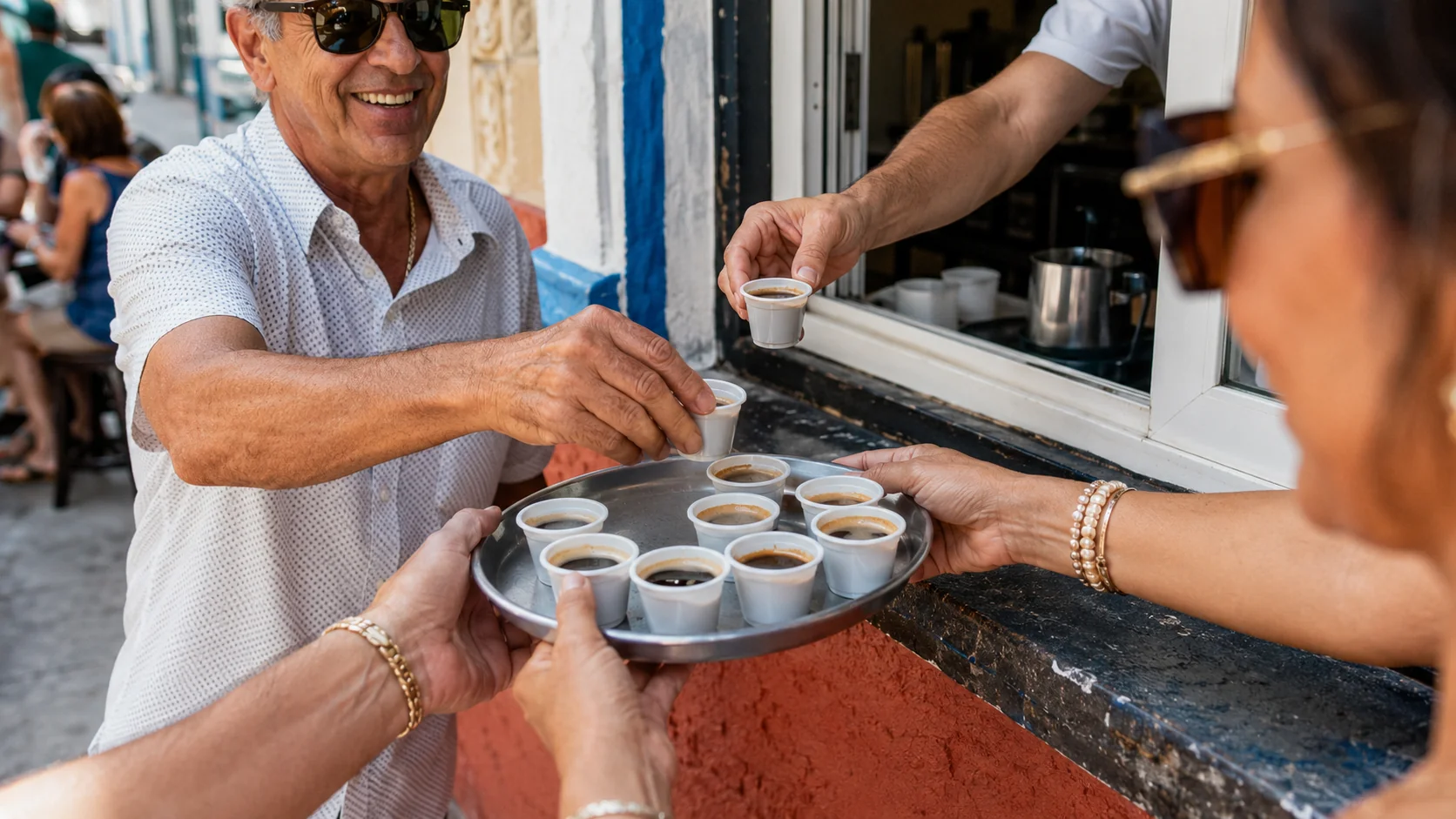
- For a colada, multiply the recipe and serve in a larger cup with several small cups for sharing.
Dialing In And Troubleshooting
• Use fresh dark-roasted beans for authentic Cuban flavor. • Beat sugar and espresso vigorously; insufficient beating yields gritty sugar. • Pour espresso slowly over whipped sugar to prevent breaking the espumita. • Serve immediately; espumita dissipates quickly.
History And Culture
• Cafecito is the standard Cuban coffee served in small portions, often from ventanitas (street windows) in Miami and Havana. The tradition of whipping sugar with espresso creates a silky espumita. • It is usually consumed in the morning or after meals and often shared with friends or colleagues; a larger colada is passed around with small cups for communal sipping. • Cafecito’s sweetness reflects Cuba’s sugar-cane heritage and offers a quick energy boost.
Editor's Take
Practical Detail
Common Questions
What is a cafecito?
Is cafecito the same as café Cubano?
Sources And Further Reading
en.wikipedia.org
en.wikipedia.orgReference used for drink identity, preparation, taste, or cultural context.