
Guide
Specialty Coffee Guide
Learn what specialty coffee means, how quality is evaluated, and how to tell whether a coffee bag gives real evidence or just marketing language.
On This Page7 Sections
Quick Answer
Specialty coffee is coffee recognized for distinctive quality and higher value, usually supported by better traceability, sensory quality, processing, roasting and brewing. The label alone is not enough. A good specialty coffee should give evidence: origin, producer or region, process, roast date, tasting notes and a clear reason it costs more.
Key Takeaways
- 1Specialty coffee is not just expensive coffee or light roast coffee.
- 2The best signal is evidence: origin, process, roast date, tasting notes and transparency.
- 3A coffee can be specialty-grade before roasting but still taste poor if roasted, stored or brewed badly.
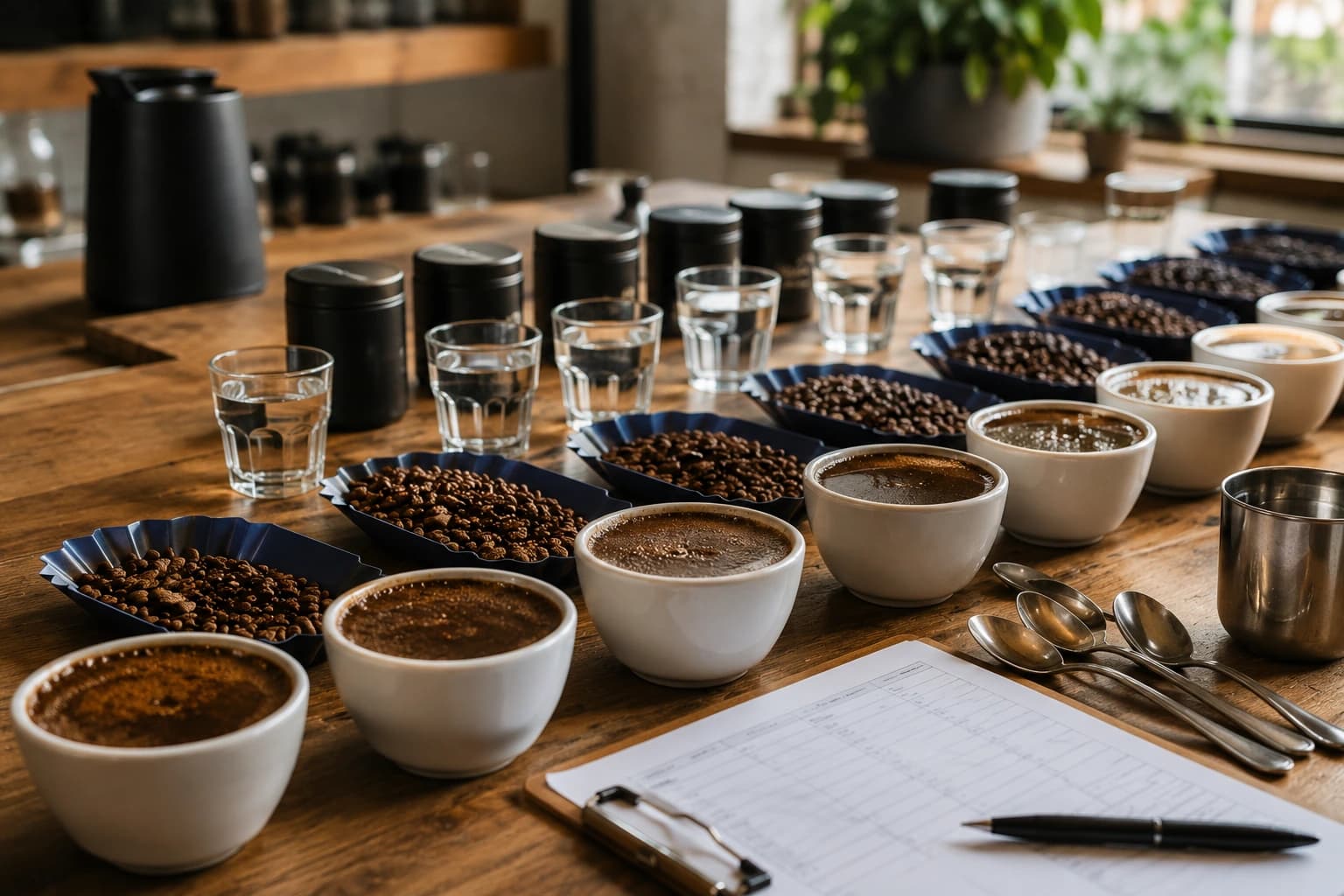
Specialty coffee is often explained as coffee scoring 80+ points. That shorthand is useful, but it is incomplete for consumers.
A more practical definition is this: specialty coffee is evidence-rich coffee. It tells you what it is, where it came from, how it was processed and why it should taste different from a generic bag.
The Specialty Coffee Association now frames specialty coffee around distinctive attributes and higher marketplace value. That is important because quality is not only a number. It is a chain of decisions from farm to cup.
What Makes Coffee Specialty?
A weak link can damage the final cup. Good green coffee can be roasted poorly. A good roast can be brewed badly. That is why specialty coffee is not just a farm label.
Specialty Coffee vs. Regular Coffee
Regular coffee is not automatically bad. It can be convenient and enjoyable. But specialty coffee offers more information and usually more potential flavor range.
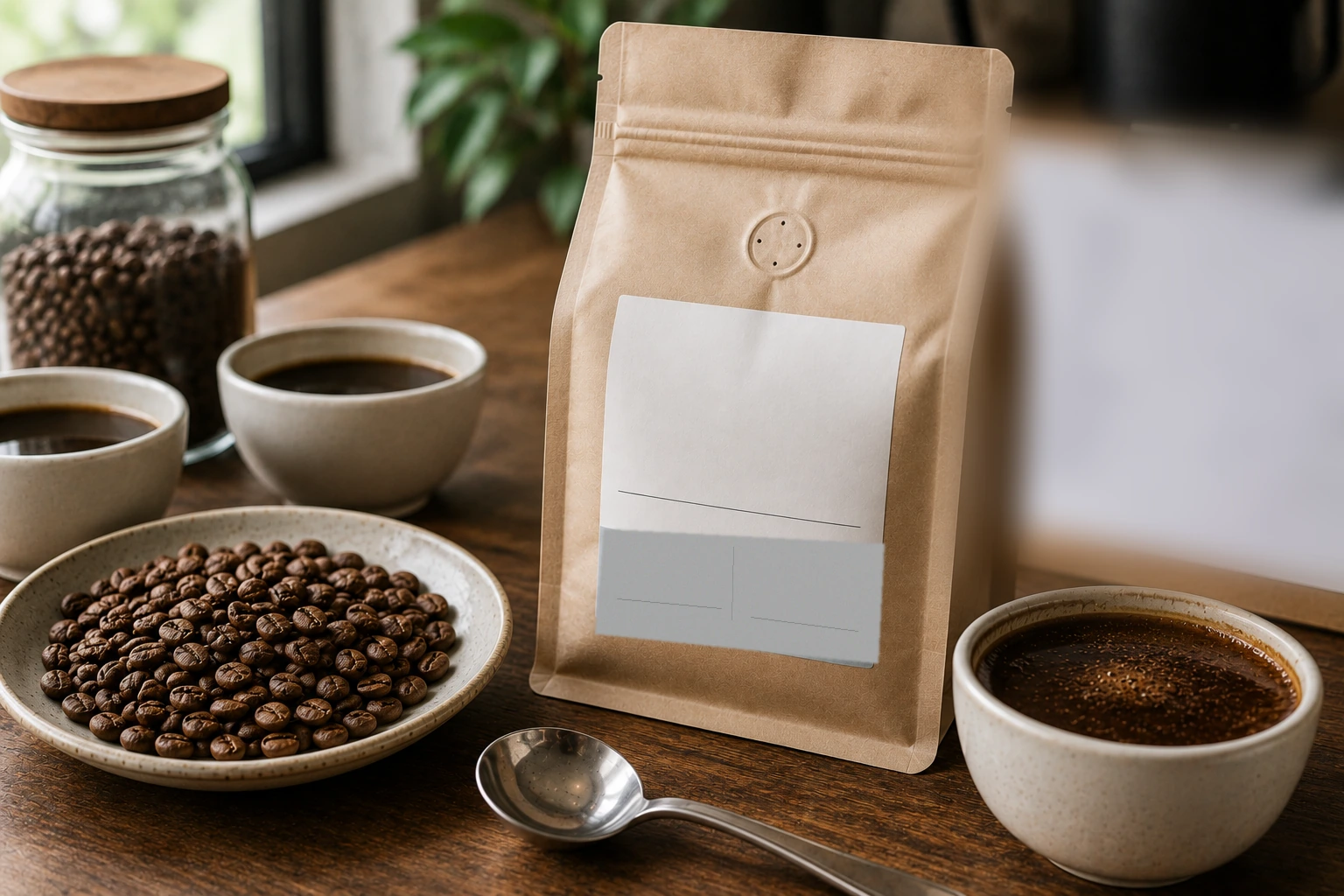
How To Judge A Specialty Coffee Bag
Is Specialty Coffee Always Light Roast?
No. Many specialty coffees are light or medium roast because those profiles can preserve origin character. But roast level is not the definition. A medium roast can be specialty if it is traceable, carefully roasted and balanced.
The better question is: does the roast reveal the coffee, or does it make every coffee taste the same?
What To Read Next
Continue with these related guides:
- What Is Specialty Coffee?
- Coffee Beans Guide
- Coffee Buying Guide
- How to Read a Coffee Bag
- Coffee Origins Guide
- Coffee Processing Methods Guide
- Single Origin Coffee Guide
Bottom Line
Use "specialty coffee" as a starting clue, not a guarantee. Look for evidence, then judge the cup.
The best specialty coffee is not just better-tasting. It is more specific. It gives you a clearer connection between origin, producer, processing, roasting and your own cup.